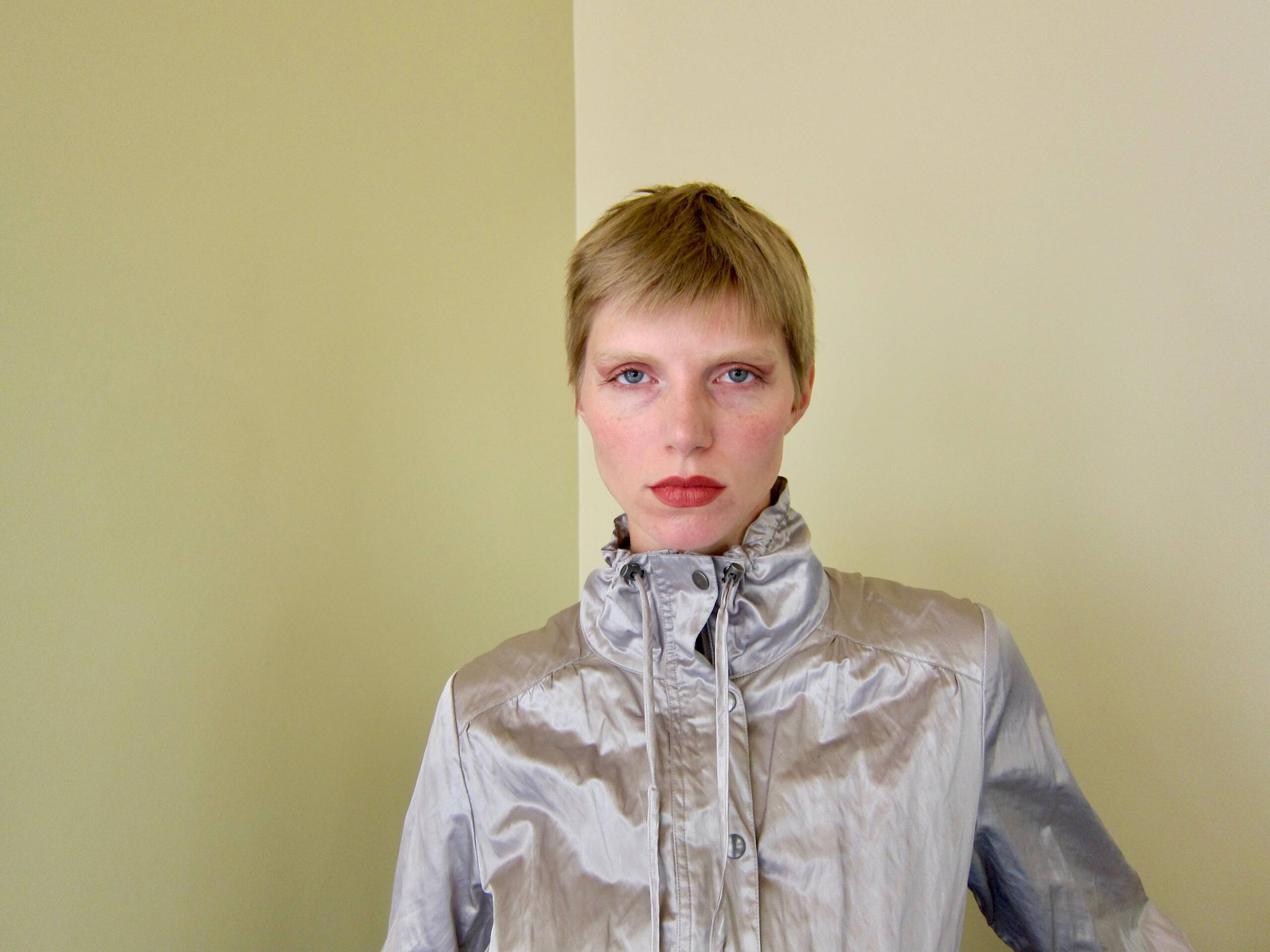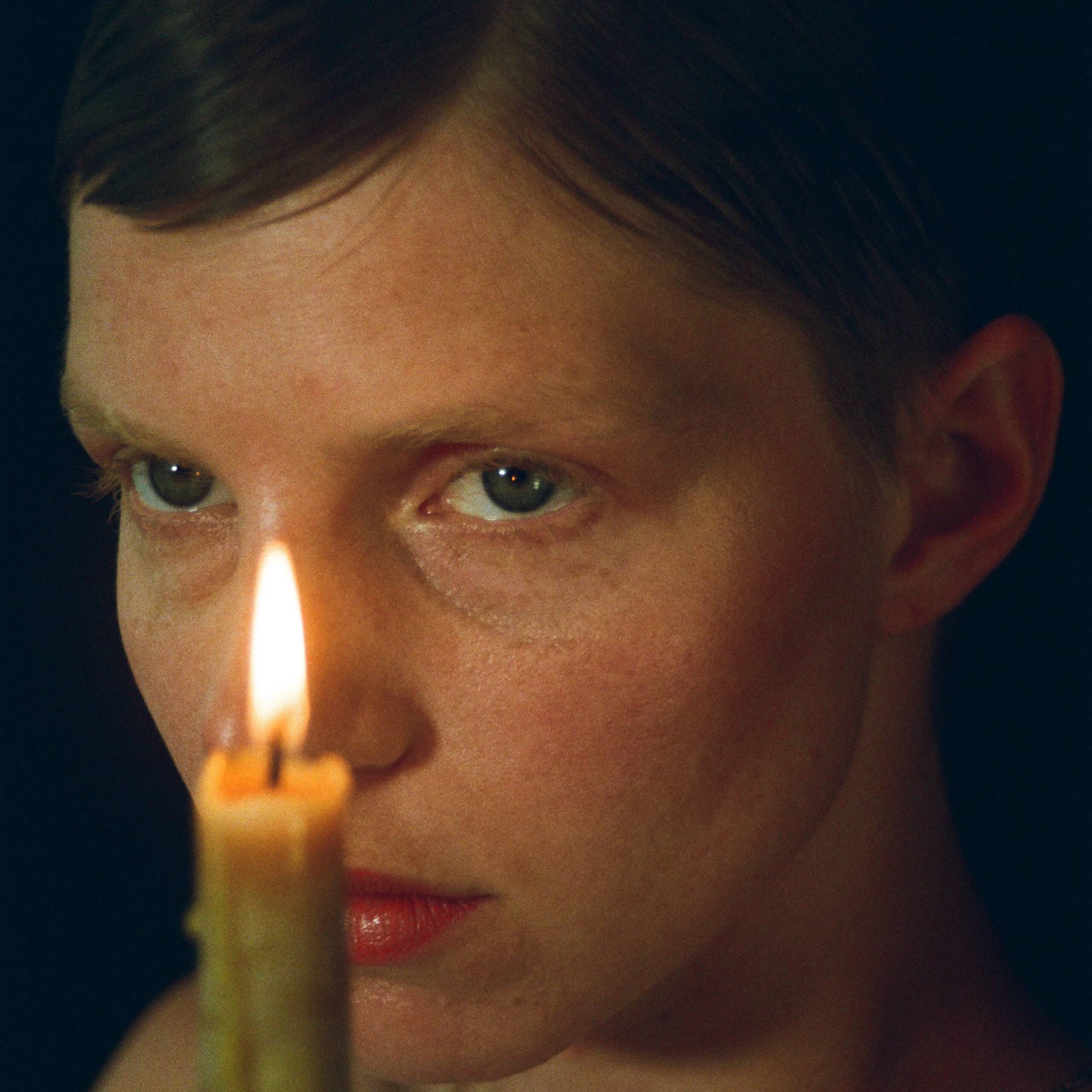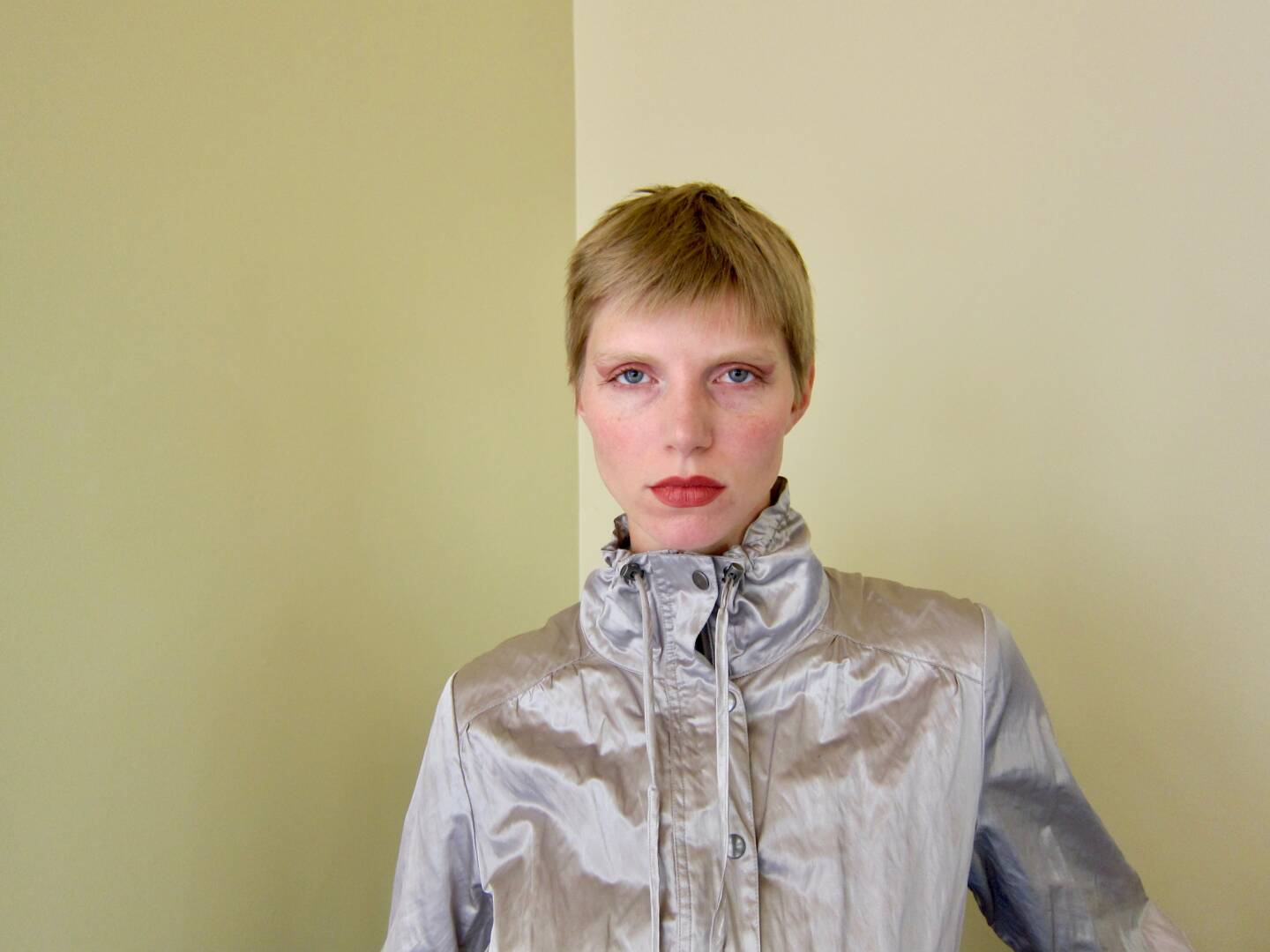
In the myth of Persephone, the maiden picks flowers in a meadow of eternal spring, when she is carried into the underworld by Hades. Having seen the darkness and eaten its fruit, she emerges, transformed, heralding the return of spring. Big Mike, Elke’s third album, marks a similar homecoming for Kayla Graninger. Having traversed the underworld, she’s brought back a hard-won innocence, made sweeter by grief. “Maybe it’s my fault for thinking too big, but I know that I want that shooting star,” she sings. To say that it’s all doomed is easy, but to be the fool in love, in spite of everything, takes guts. It’s summer camp romance. Knowing it’s gonna end and thinking, “right now is all I’ll ever need” and you mean it.
Big Mike takes us back to the beginning, to the growing pains of youth you never outgrew. Getting stoned beneath a tree, riding your bike at night, looking up at the moon. Across nine tracks, Graninger confesses, pleads, jokes, vows. When she sings, “I’ll love you through it all,” you imagine she’s etched it into a tree, pricked her finger and made a blood brothers pact. Her love is big and pure, like a child. That’s why it hurts so bad. Still, she can’t help but pick at the scab, “I still go back to get let down” she confesses.
The title itself is a wink and a callback to the larger-than-life figures of her youth in the nineties, legends like Michael Jordan, and her father, who she recently lost and whom she credits for her sense of humor. Through grief, she can access it more easily. Sadness and comedy pour from the same cup. There’s an emotional whiplash that happens in the aftermath of loss, and that nonlinear cosmology of grief and desire is captured sonically, with plucky, irreverent tracks like Pusher and Moon Marquee sitting alongside more melancholic, orchestral tracks like Angel and The Stranger. It’s the feeling of wading in the unknown, moving through it, not knowing if you’ll laugh or cry or both.
There’s something elemental about the world of Big Mike. Graninger’s lyrics are close to the bone, simple and exact. Her voice is clear, unadorned and stripped down. The album cover is untouched. “I sound like myself,” she says. Having lived through different versions of herself, she’s pared it all back, with just her and a guitar on stage. These songs were written in rooms she’s painted and fixed up, performed at open-mics for strangers. The result is coherent and natural, the way your shoulders relax around a friend that knows themselves, and how just being around them makes you feel seen and understood, too.
Beyond the songs themselves, every touch point bears her signature. Graninger directed two of her forthcoming music videos: on one, she incorporates performance art, an embodied artform that relies on spontaneous action in real time between two bodies. It’s an homage to artists likeMarina Abramovic and her partner Ulay. On another, she returns to her hometown in the Chicago suburbs to visit the ghosts of her past. From the visuals to the performance to the way she shows up online, she’s governed by an internal logic, a gut feeling rather than a strategy or algorithm.
We’re living in strange times, where abstraction, artifice and optimization warp our consciousness and make us forget who we are. In that sense, Big Mike takes a big swing, knowing the cost of being performative is higher than the risk of exposing yourself. And when we’re ready, Big Mike be waiting on the other side to greet us, flowers in hand.