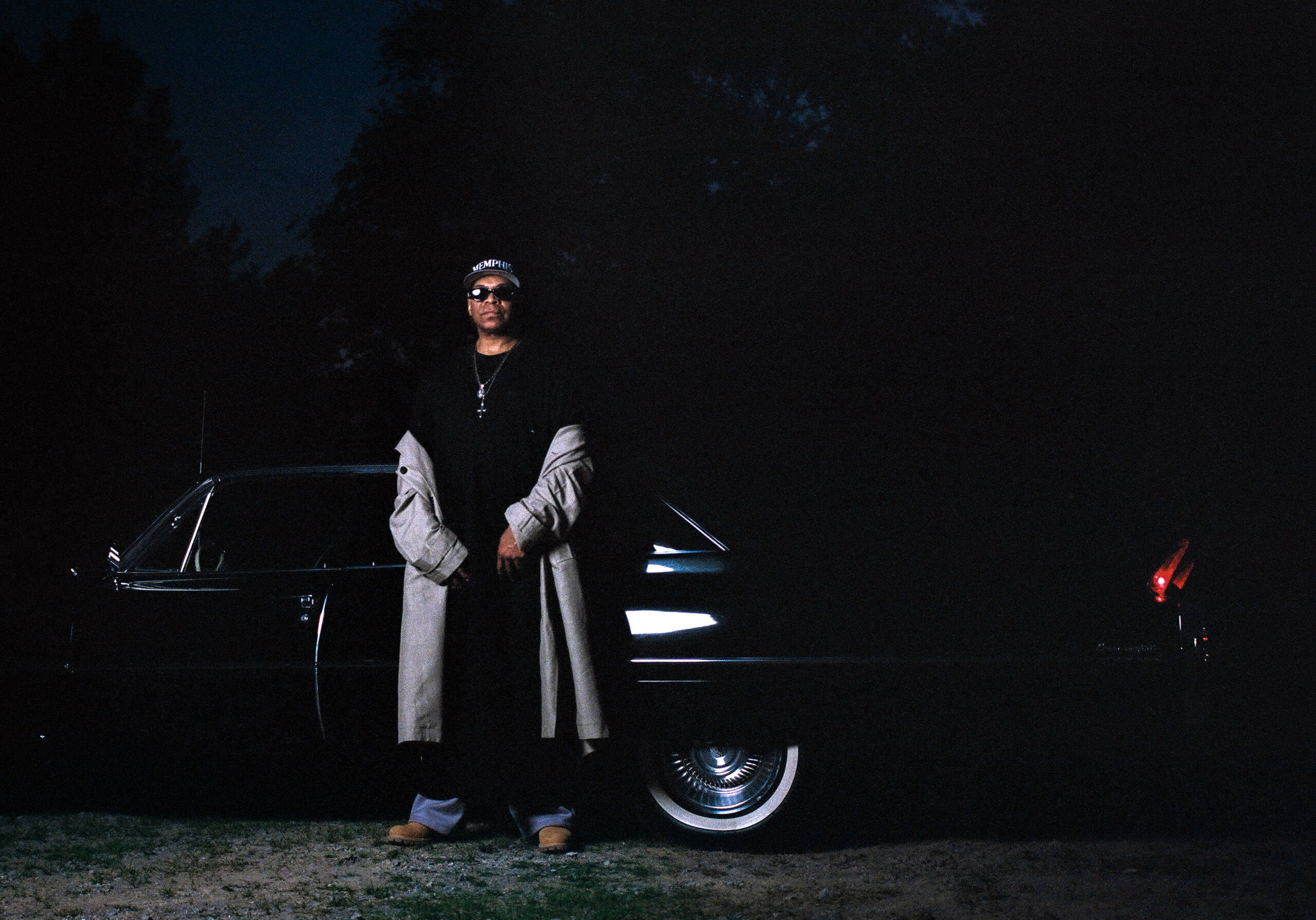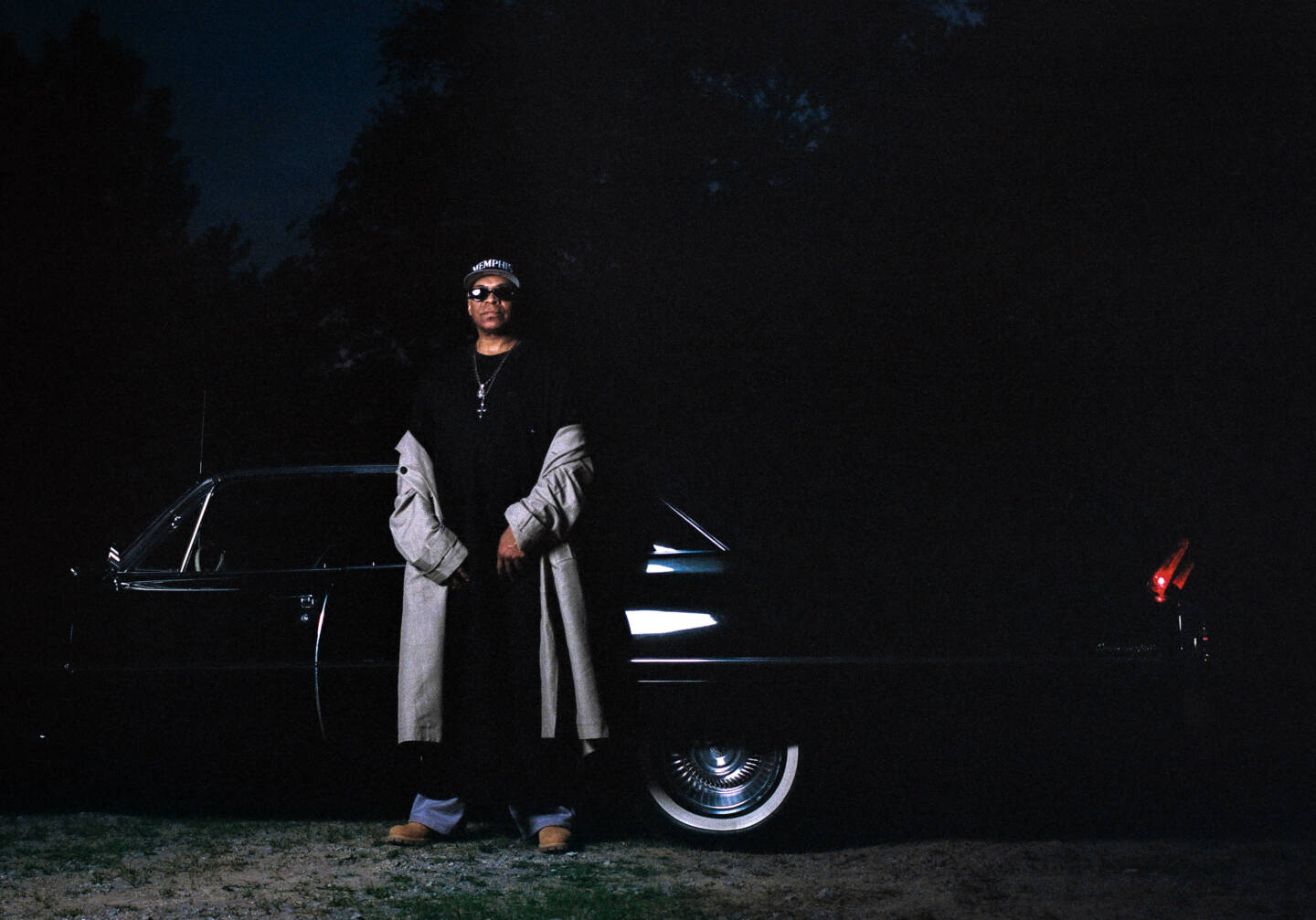
Long before Memphis rap reshaped global hip-hop, and before the sound of the underground South travelled from cassette decks into clubs, car stereos and eventually the DNA of modern rap music – there was DJ Spanish Fly: the man widely recognized as the Godfather of Memphis rap.
His raw, bass-heavy tapes circulated hand-to-hand across Tennessee and the wider South throughout the 1980s and early 1990s, helping define the city’s distinctive street sound, years before the music industry knew what was happening in Memphis. Initially, their greatest impact remained in Memphis itself. Future stars such as DJ Paul, Juicy J, DJ Squeeky, and other young local artists studied his tapes, inspired by production techniques nobody else in the city had understood yet.
However, over the last decade, DJ Spanish Fly and the pioneering Memphis sound he helped create, has been rediscovered by a new global audience of engaged electronic music fans through tastemakers such as synth-collector and producer Legowelt and his seminal Memphis Rap mixes, Crystallmess, Berlin-based experimental electronic label PAN and contemporary fashion designer Kiko Kostadinov as well as NTS Radio where he holds a monthly show & Boiler Room who hosted his come-back set at Primavera Festival in 2022.
Beyond the enthusiasm of the international underground community, his place in Hip-Hop history cemented further over the last decade. Most notably through champions like A$AP Rocky and his appearance in the 2016 Netflix series Hip-Hop Evolution. Today, bolstered by this rejuvenation, he continues to perform worldwide, from underground rap events and Memphis clubs to major art institutions including MoMA PS1 and Bourse de Commerce in Paris.
A new collection of previously unreleased recordings from the 1990s finally emerges with the announcement of Cadillac Warning out July 17 via untitled (recs), a deep excavation into the hypnotic, trunk-rattling world Spanish Fly created from his bedroom, for the clubs and streets of Memphis.
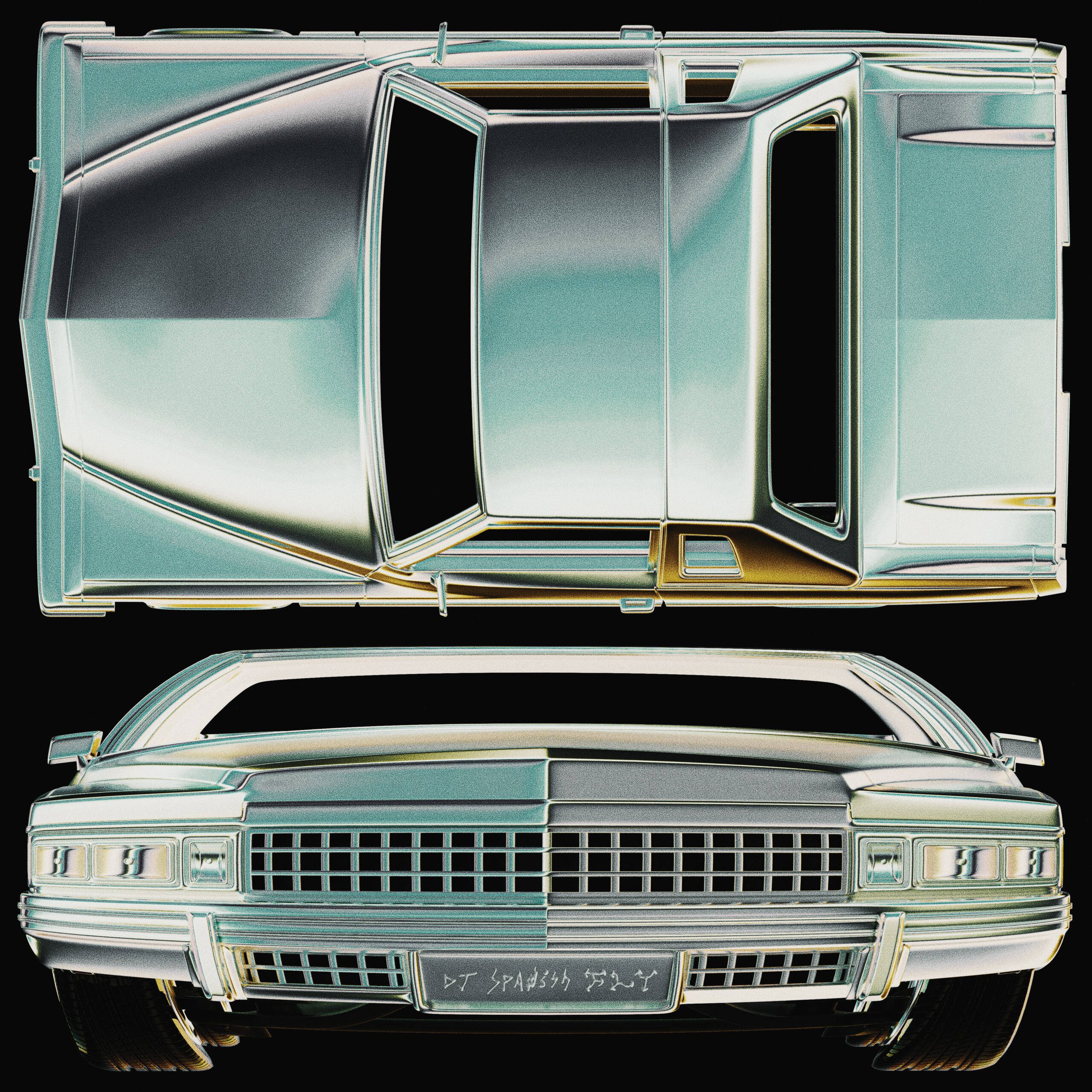
Cadillac Warning captures an era when his 1978 Coup DeVille represented the absolute pinnacle of street status in an increasingly dangerous period of the city’s recent history. Throughout the album, the Cadillac becomes both symbol and setting: metallic flake paint glistening under streetlights, oversized rims rolling through South Memphis, illuminated custom plates glowing at night, and an impossibly loud sound system announcing Spanish Fly’s arrival from blocks away. The car served not only as transportation but as a mobile headquarters, and a rolling advertisement for the mixtapes he sold directly from the trunk – spreading his music across neighborhoods, college campuses, clubs and beyond.
Spanning recordings from the 1990s, Cadillac Warning preserves the eerie minimalism and hypnotic repetition of his pioneering late 1980s tracks (Cement Shoes, Uzi Tool) while echoing some of the developments in rap music of the period. Still using primitive home equipment, drum machines and improvised recording setups, the music on Cadillac Warning sounds more gangsta than ever.
These recordings reveal Spanish Fly experimenting in real time with the dark, stripped-back sound that became foundational to Memphis rap and, decades later, deeply influential on contemporary hip-hop worldwide. He’s not a regional pioneer, but a visionary who’s transformed the limitations of DIY recording into a new sonic language, born from the realities of street life in Memphis.
Publicity Contacts
Photos