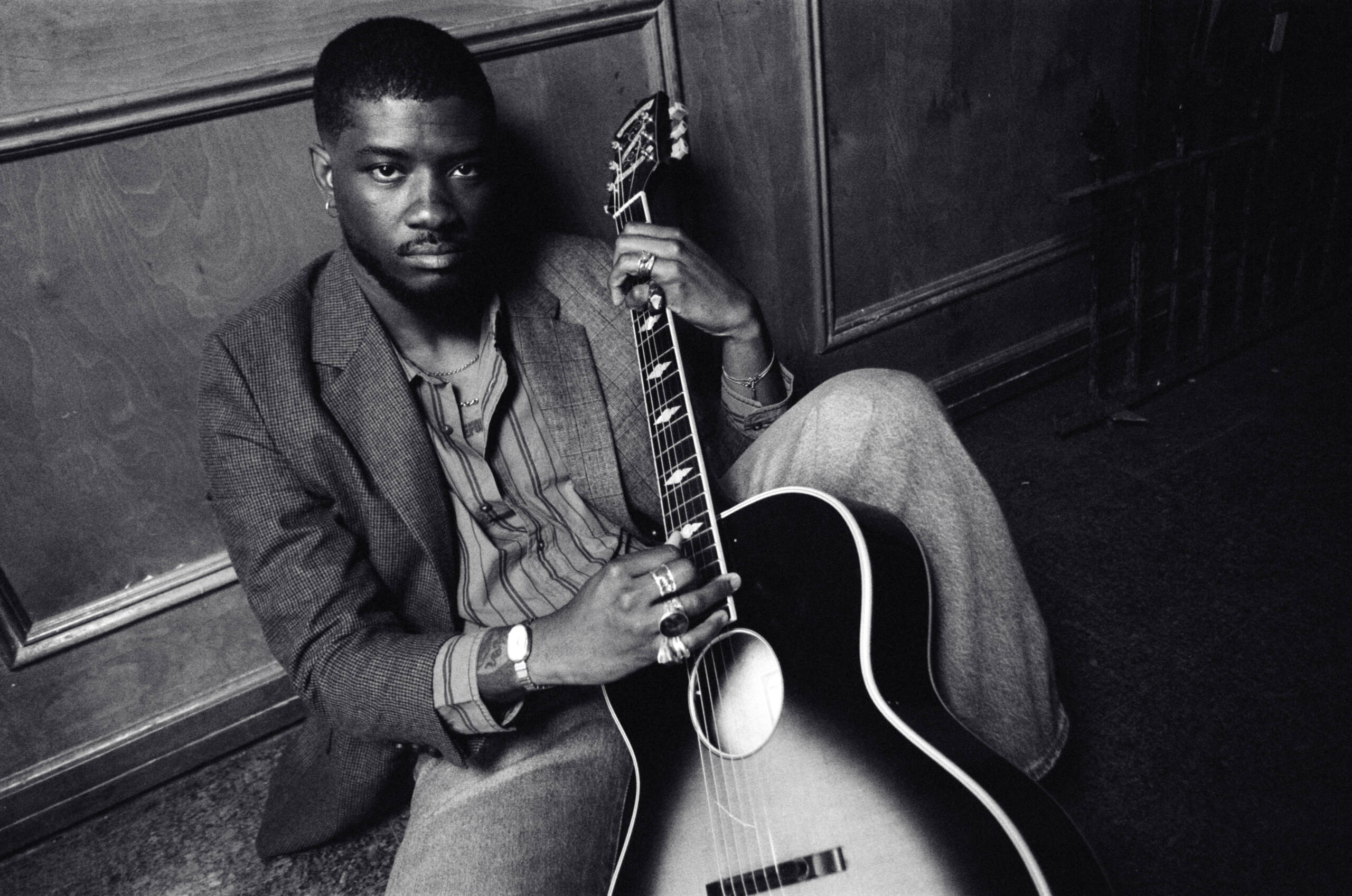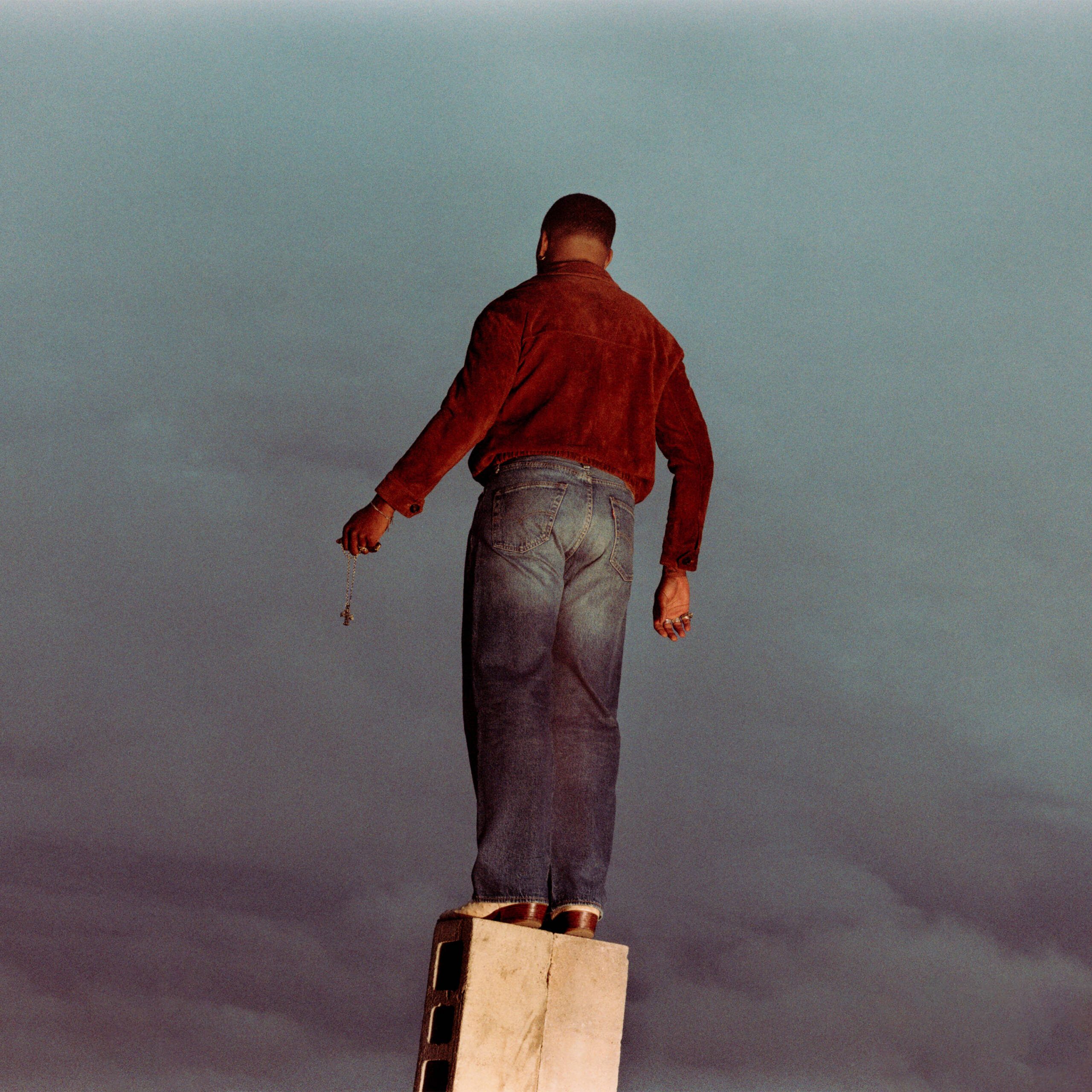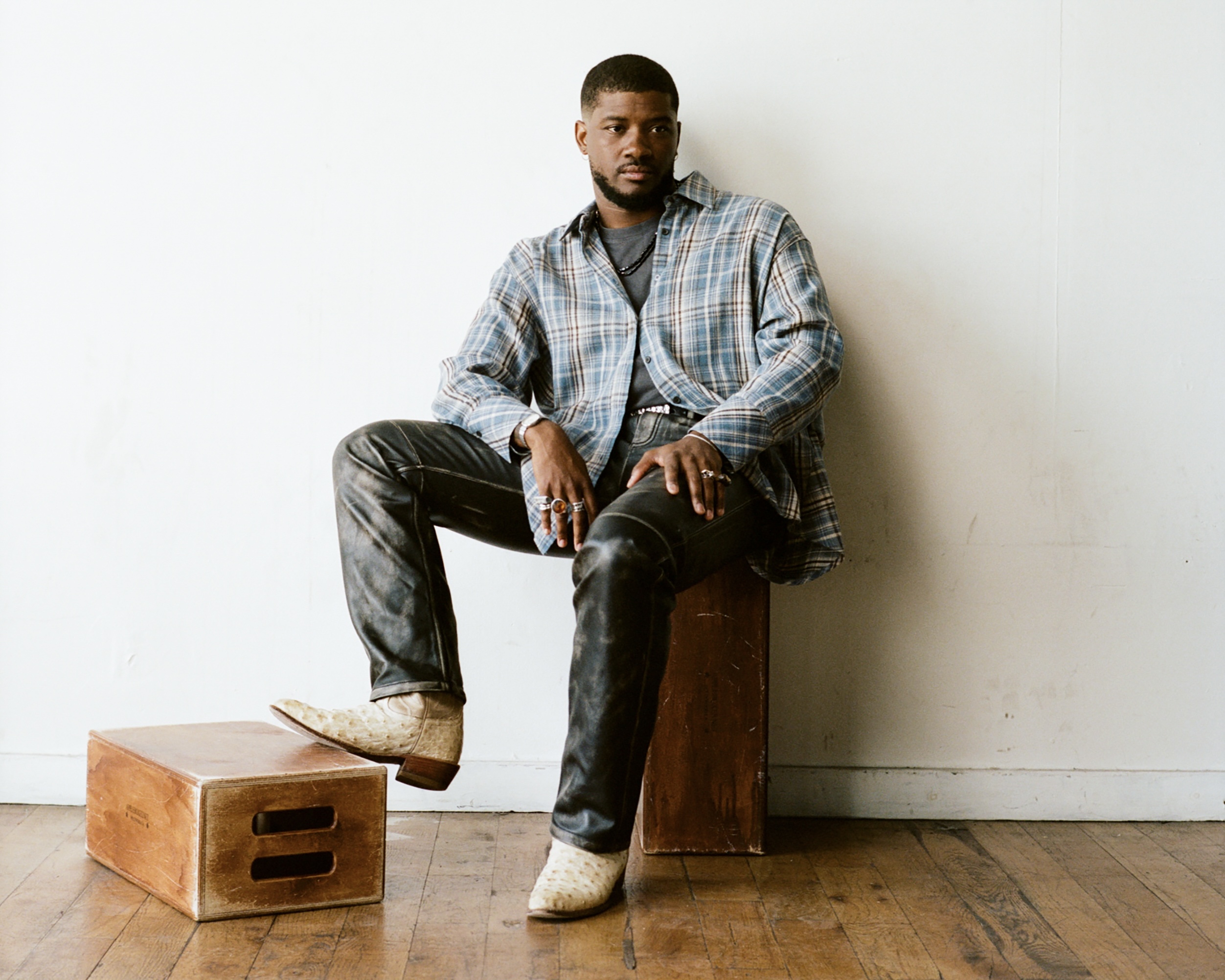
ELLIOTT SKINNER is a thoughtful artist with an ethereal approach to folk and soul music. His compositions are a beautiful example of what comes from the lineage of powerful and intentional Black expression. Today, the acclaimed singer, songwriter, producer and multi-instrumentalist announces How Far We’ve Come, his debut EP out via Ninja Tune.
Having worked alongside acclaimed artists including Chaka Khan, Jon Batiste, Zayne Malik, Chance the Rapper, Saya Gray, Eryn Allen Kane, Leon Bridges, Samora Pinderhughes, Amos Lee, Sam Smith, Jeremih, and more, Elliott Skinner is now stepping out on his own. His sound is both intimate and layered, marked by a deep focus on storytelling and the continuing of the Black Radical Music Tradition. Skinner spent a decade in New York City learning what community, practice, and art mean to him. Through a dedication to creating music that is an influential force for people to understand other people, Skinner aims for a freeing of the mind, digging into everything that love sits under, and a breakdown of the constructs that divide us.
How Far We’ve Come encompasses themes of life and effort and the power of reflection – the doubt that can fill your mind and make you question your worth; the feeling of getting older and returning to the wonder in childhood; trying and observing the ways we can make this life more meaningful. The six song set from the Texas-raised musician is his first body of work released under his own name and follows his acclaimed 2025 singles “RECALLING” and “I Linger On.” The project comes twenty years after he wrote his first song and, he notes, “All of that time and experience was needed for me to understand the artist I have become and am becoming. This is an introduction to the world that I’ve been building.”
Of the project, Skinner continues: “There is no other way to describe my music other than Black. Following in the footsteps of my ancestors and inspirations – the sonic experimentation, the self realisation, the expression as a necessary tool for survival – to not only pursue to understand oneself, but to understand others. That’s what black music has done since my people were singing from porch to porch and from pew to pew. It shortened the space between us all. My sound is part of this lineage. It’s something we need more of. Something that feels from the earth – organic. Made by people for people.”
Publicity Contacts
Press Kit
Photos