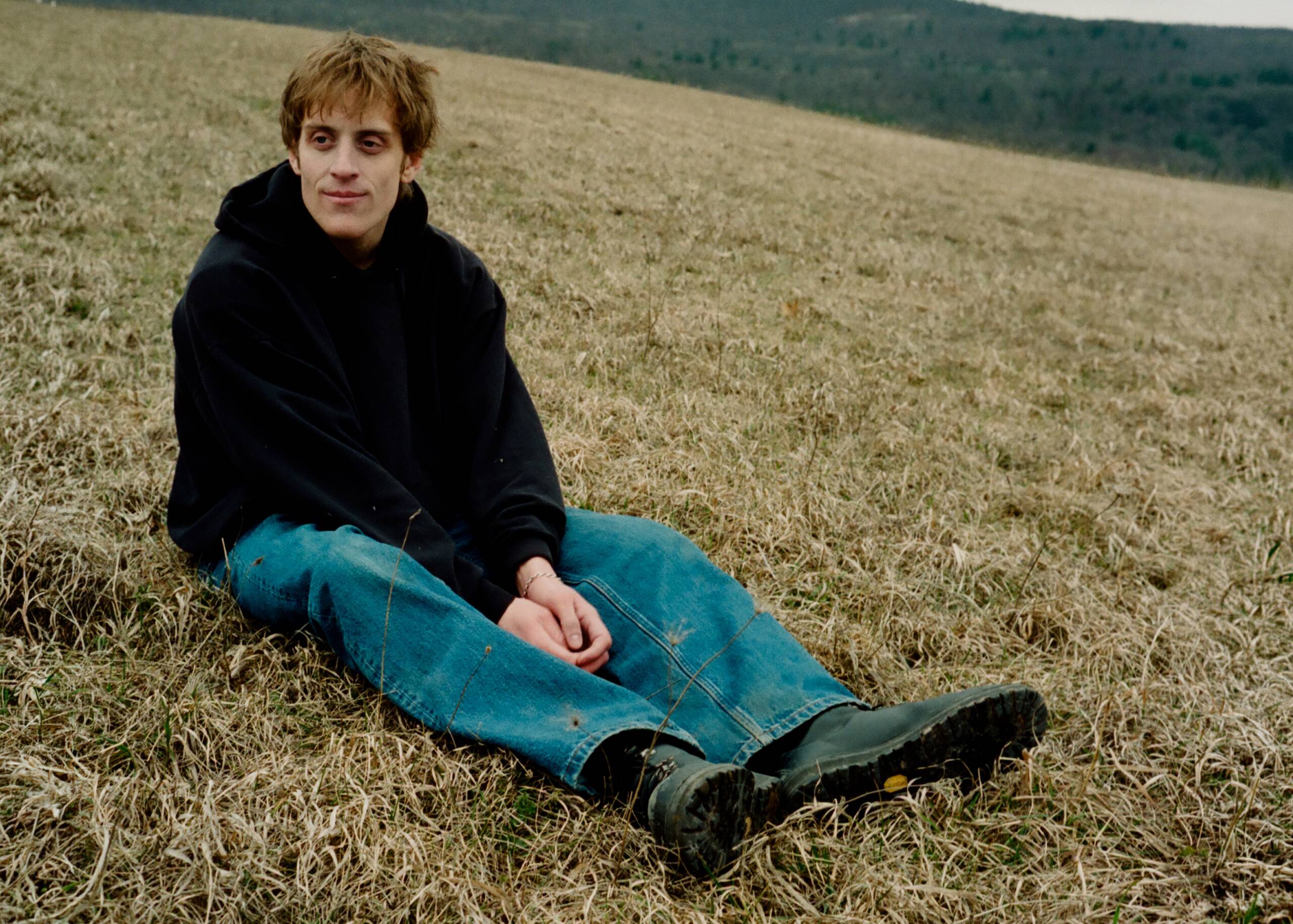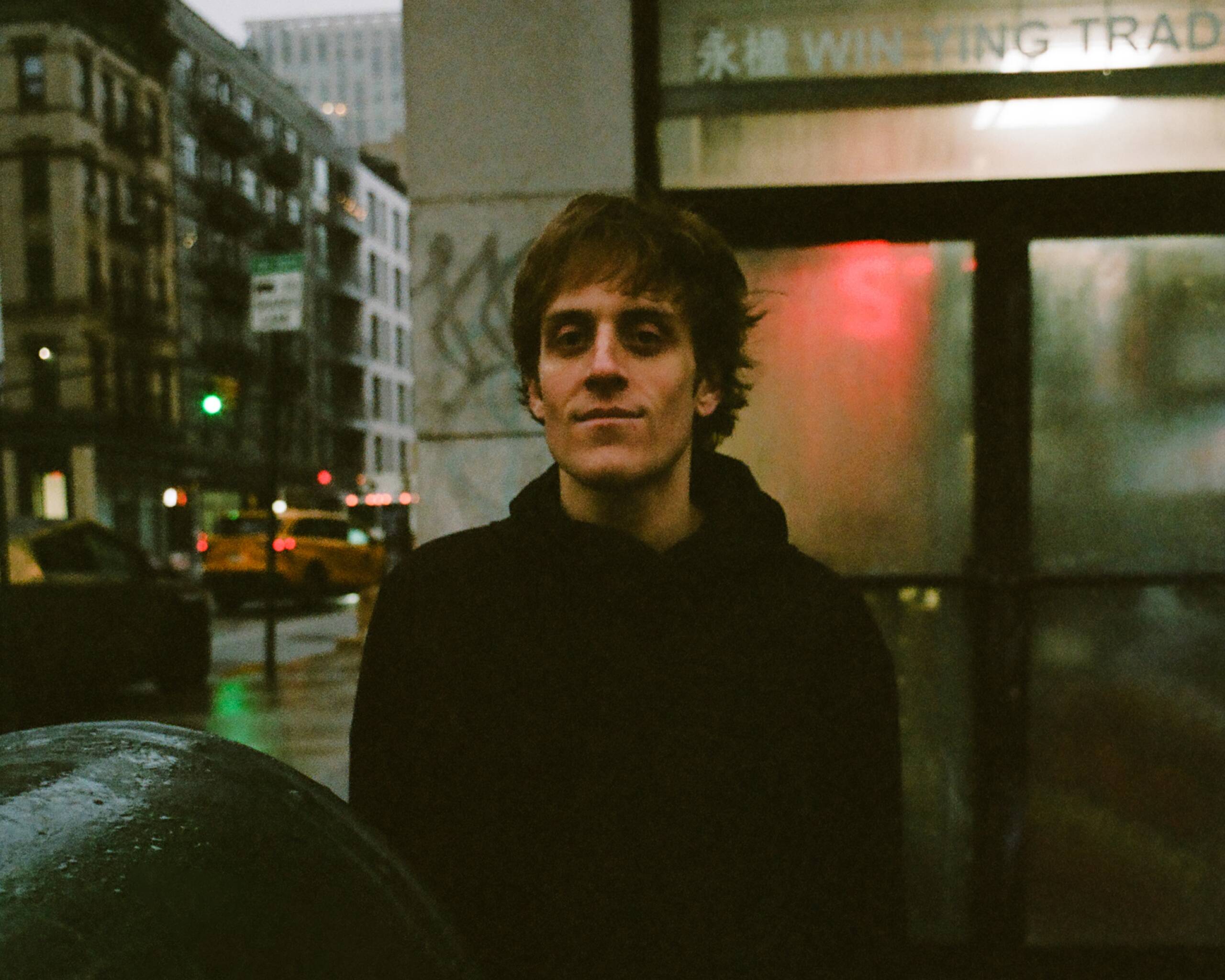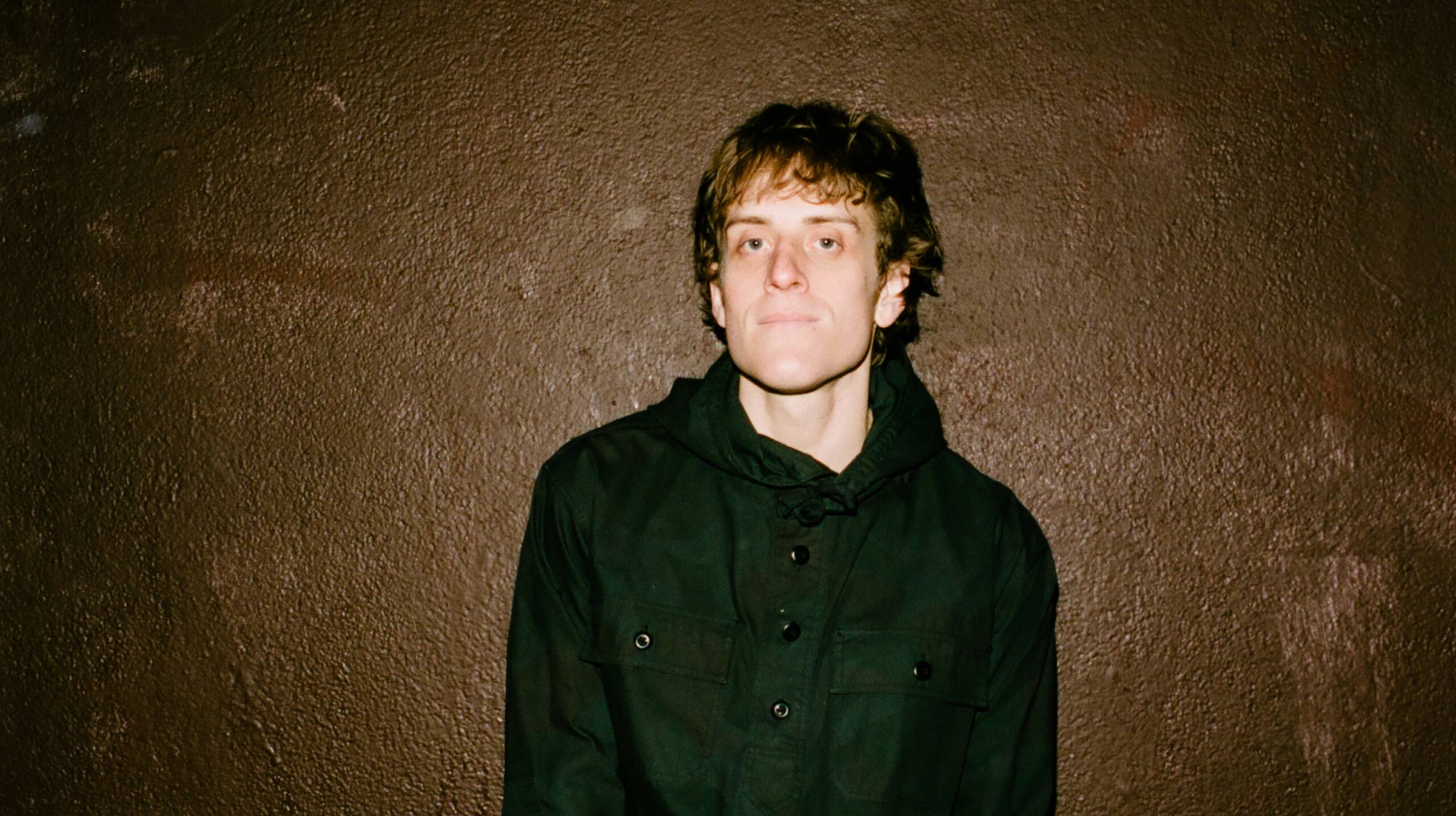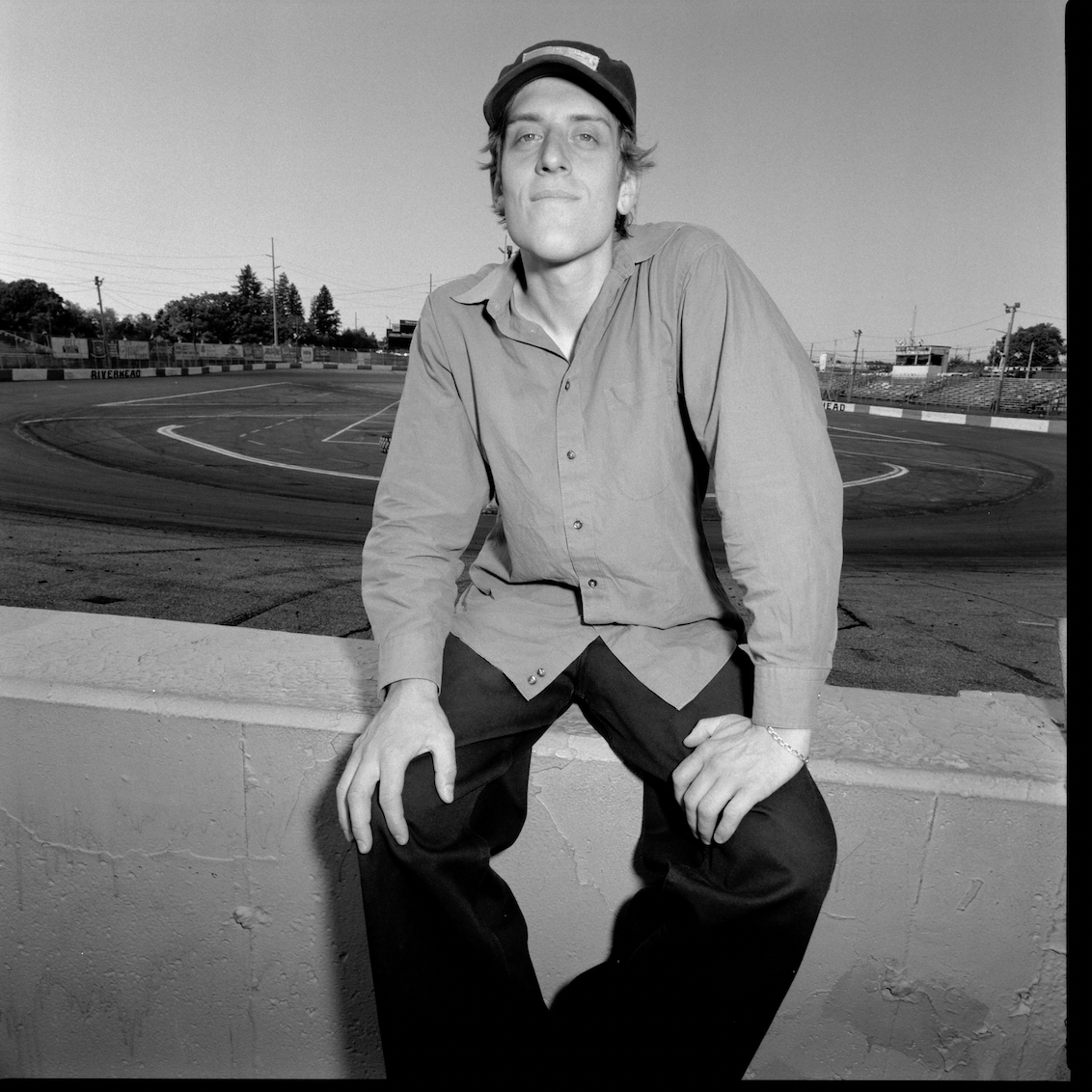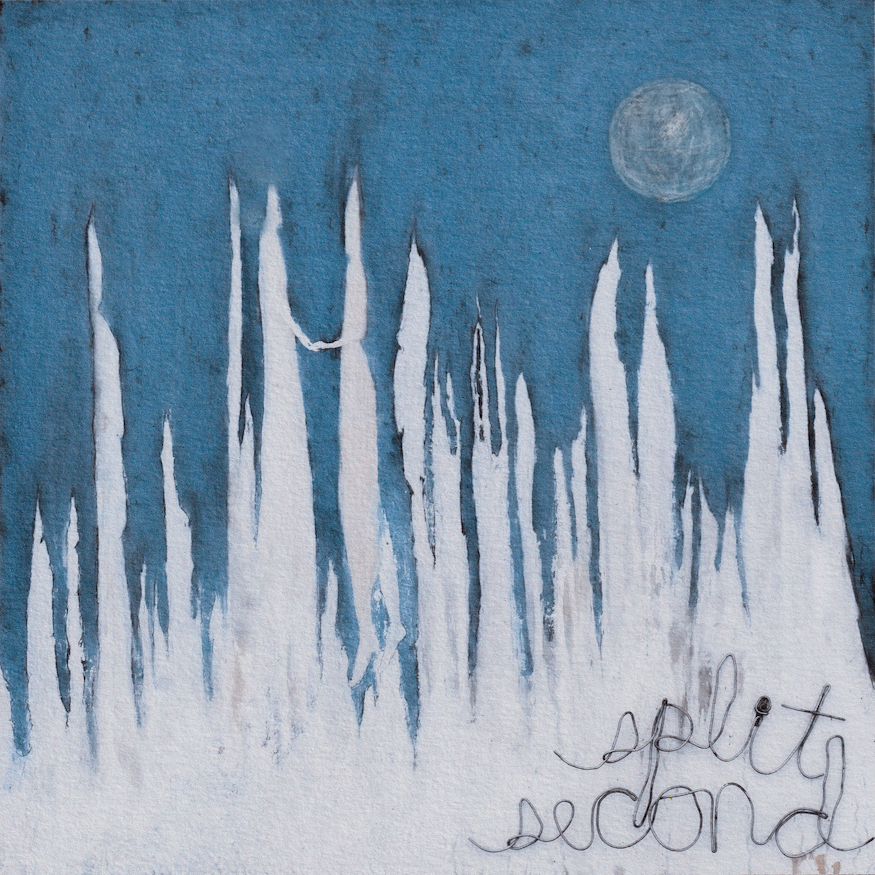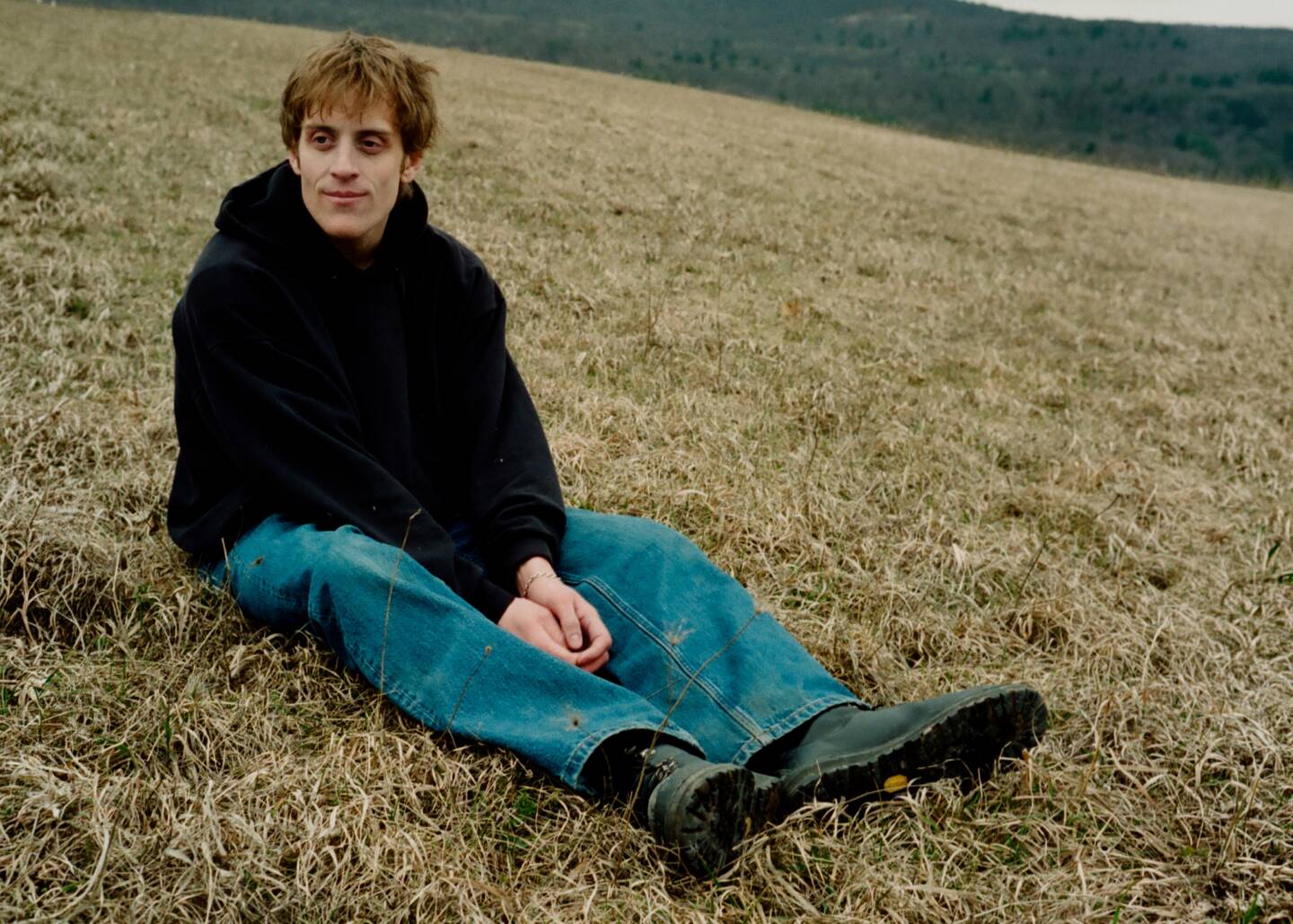
Everything happened at once. Within a month, Renny Conti experienced a major breakup and lost a family member and abandoned his apartment in New York, seeking a fresh start. Life’s winding path soon brought him back east, but without a place to live. An unmoored, searching chapter unfolded, Renny couch-surfing and subletting his way through 2024 before life began to settle back down in 2025. Then he began writing again. Across 2025, songs poured out, partially documenting the tumultuous years that had preceded, partially making sense of what came after. The new songs culminated in Renny’s new album Split Second, a heartfelt and conversational document of the most severe highs and lows life can dole out.
“I had a moment of clarity on a pier that things change,” Renny remembers now. “Our surroundings change, our relationships change, our habits change, and they all change very suddenly at that.”
Through his early twenties, Renny self-released a string of homemade albums, sorting out his aesthetic and narrative viewpoint as a musician before his project began in earnest. His self-titled debut was recorded in 2023, collecting older material that served as a proper introduction to him as an artist. Finally released in 2025, the album soon earned him buzz across the indie landscape, and landed him a deal with Mom+Pop. Once more, Split Second feels like a long-awaited debut: Emerging from not only 2023 but all the years before, Split Second catalogues the snapshots and places and people that made Renny the musician he is today.
Renny’s life in music began as it does for many of us: a means of escape from the confusing pivot from childhood to teenage years. His parents are working artists, actors who also maintained day jobs, exposing Renny to the grind of a creative life from an early age as they orbited San Francisco in various suburban homes. His teenage years grew more chaotic as he struggled with school. At the same time, he and his brother began playing music together, which led him to phases in various metal and punk bands with friends. Initially, music was his form of community, his way of finding where he belonged. Eventually, while studying film in college, Renny began making music alone, altering the scope, aesthetic, and timbre of his work. As he experienced his first significant heartbreak, he began gravitating towards the music that would come to define his own writing: emotive, folk-tinged indie that seemed the perfect vehicle for the tone of gentle reflection he favors.
Far from cathartic trauma-dump, Renny’s approach is intimate and dreamy, a loose tapestry of memories, tragedies, and small beautiful moments that light life back up in the wake of losses both banal and seismic. In comparison to the unfettered expression of his earliest work, Split Second is the first time Renny was making music with some awareness that people would hear it, and in turn the album became a more considered statement. Surrounded by artists of other disciplines in New York, he found himself inspired by the workmanlike approach of painter friends. He hewed new songs into shape, and linked up with co-producer Adrian Olsen in Los Angeles, crafting a humid, layered atmosphere for Split Second — acoustic guitars and plainspoken vocals augmented by orchestration or by waves of distortion nodding to the heavier influences of his early musical DNA.
It was only after the fact that the meanings of several songs truly revealed themselves to Renny. From an early age, his musical life was intertwined with his relationship with his older brother. Then, as his brother fell deeper into addiction, Renny continued on solo or with friends. Split Second collects the first songs he wrote after his brother’s passing, and many of them touch on the difference of experiencing his death against his absence while still alive. Once upon a time, Renny’s brother was his biggest musical influence. “It was almost a passing of the torch,” he says. “I’d be a completely different person were it not for us making music together when we were young.” On Split Second, there’s a poignance to him carrying on without him: The thing the siblings once shared becomes the thing that gives Renny strength to reckon with his brother’s death and all the other pitfalls of life.
When Renny wrote Split Second’s title track, he surprised himself. A bracing album opener, “Split Second” abandons conventional structure. “Come on, it’s madness/ Stuck between the world and something magic,” he sings in the album’s earliest moments, restrained over acoustic guitars before a plaintive string arrangement embraces him and a quiet guitar solo blooms. Renny felt it was on a different level than his past work, and it set the bar for the album as well as its thematic scope. “The song is about feeling stuck for a very long time, finding a way through, then realizing the change has already taken place,” Renny explains. The song captures the moment — the split second — where the revelations hit all at once, opening up the rest of the album as a bleary, weathered kaleidoscope of recollections.
If there’s a central question to Split Second, it’s a universal one: How did we end up here? Grief mingles with breakups and reunions, with desperate treks across the country and moments of stillness in New York City parks. “Mona Lisa,” a dusty and lived-in acoustic amble flecked with autumnal electric guitars, is a love song written after Renny got back together with his girlfriend. “Impossible Truth” is the other side, a thrumming road song in which urgent drums and melodies inspired by angsty ‘00s mall-rock propel the narrator into relationship-rupturing arguments. Throughout, these autobiographical moments sit alongside more abstract meditations. After beginning life as a song about moving out of New York, “Leaving The Zoo” mutated into imagining what it must feel like to be on the precipice of life and death, its murky verses and volcanic guitar breaks meant to echo the feeling of a leap into the unknown, Renny’s vocals turning to a ghostly murmur as layers of strings and distortion eventually overtake him. Elsewhere, the two polarities collide, as in the psychedelic heaviness of “Water’s Edge” channeling the surreal darkness of grief, or in striking “San Francisco, 2005.” Written in the months after his brother’s passing, the song situates a journal entry flitting through disparate years and far-flung locations in a panged, earworm vocal hook delivered above a hazy bed of acoustic and electric guitars tangling together, as if mirroring his mind cutting through the noise to make sense of the aftermath.
It’s not the only time Renny returns home on Split Second. In fact, much of the record traces past lives lived across California and New York, an evocative portrait of how a person comes into being. To Renny, it’s all matter-of-fact, the things that happen and the things we carry with us wherever we end up. A wind reminiscent of Bay Area weather might take him back, a new chord change might take him forward. By the end, in “Longing,” he proclaims “It doesn’t hurt me at all.” This is the mess of life, and take from it what you will.
“On Split Second, I’m writing about things that get at the root of who I am, of the me I no longer am,” Renny concludes. “It’s why we are who we are now.”
Publicity Contacts
Website
Photos