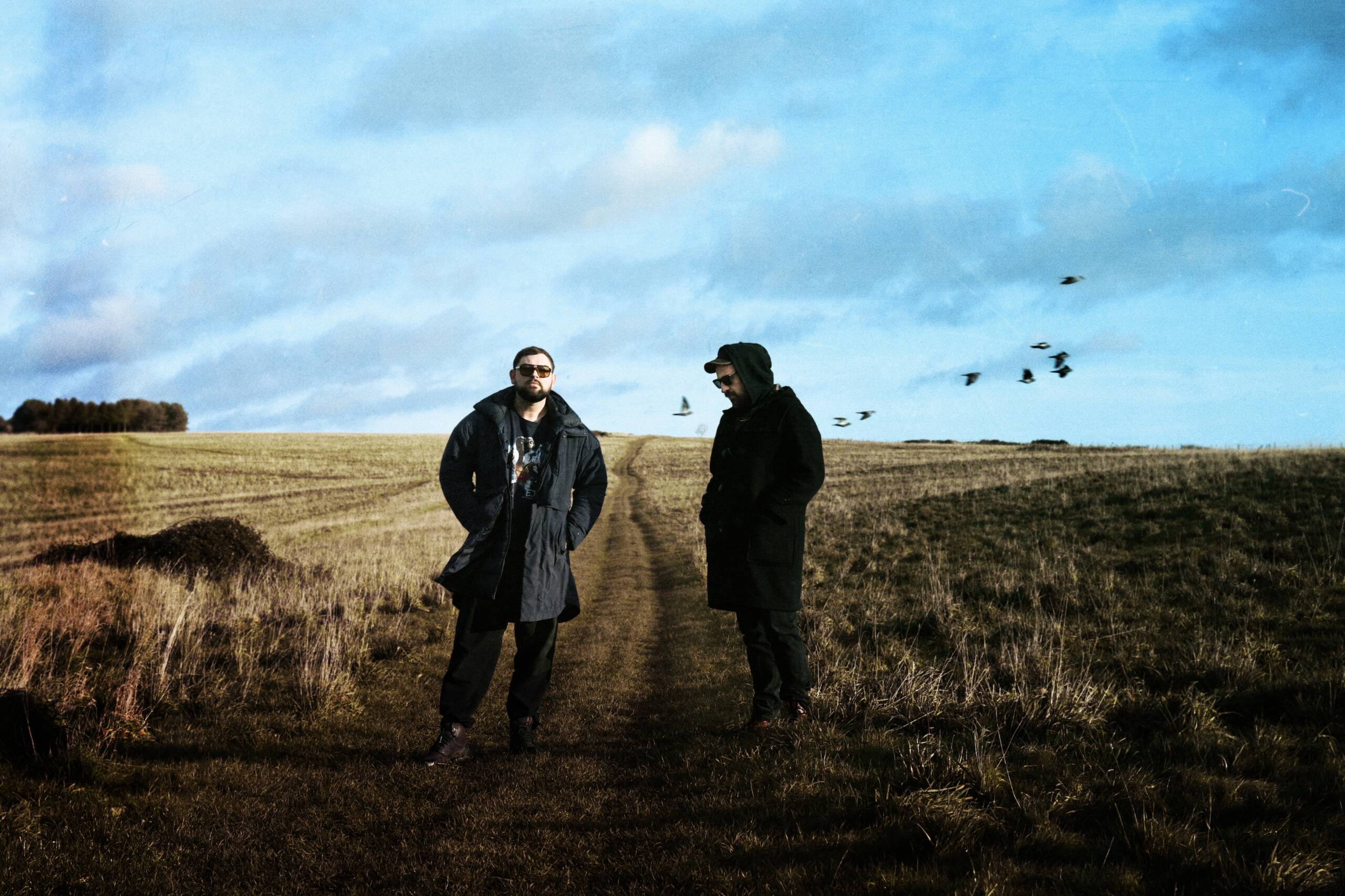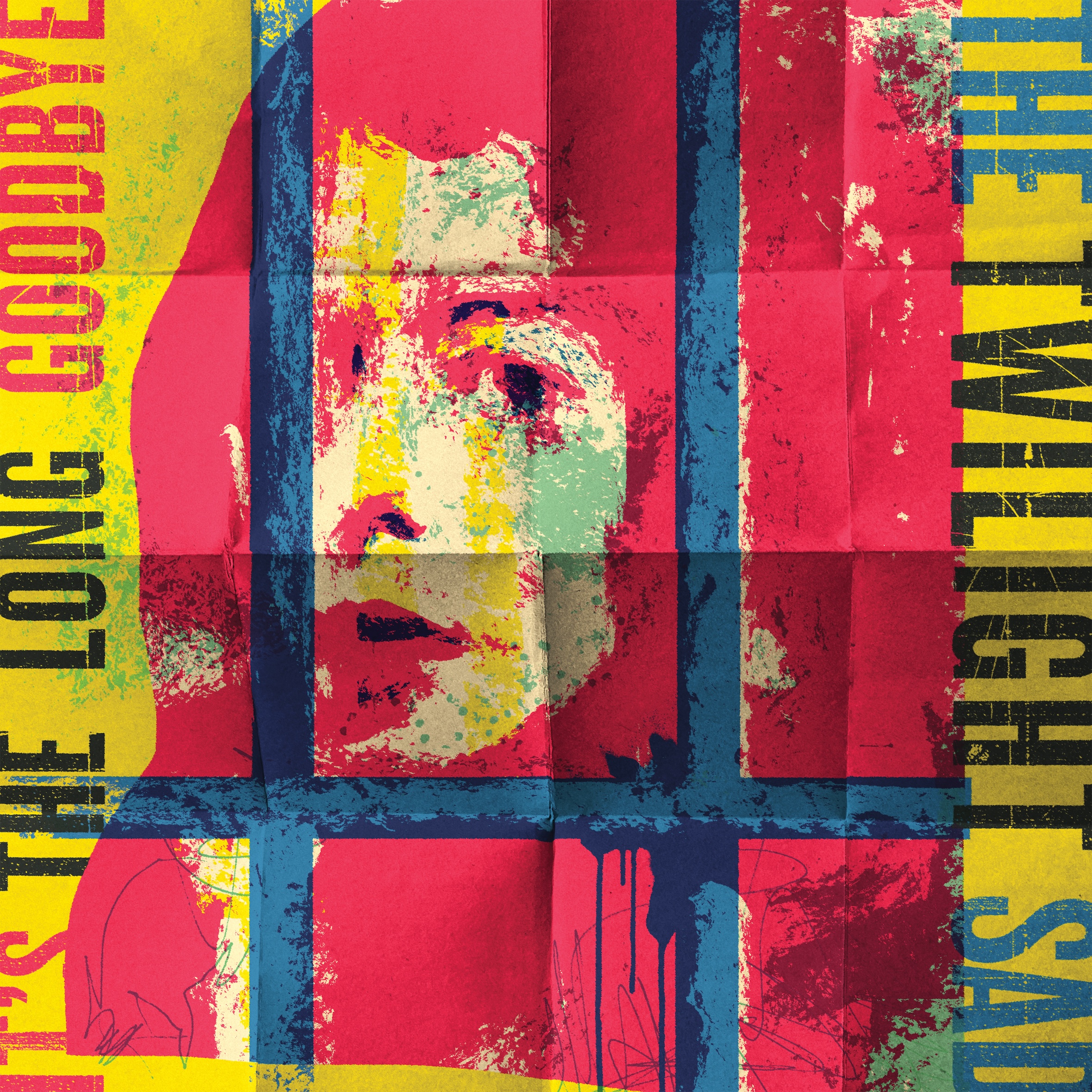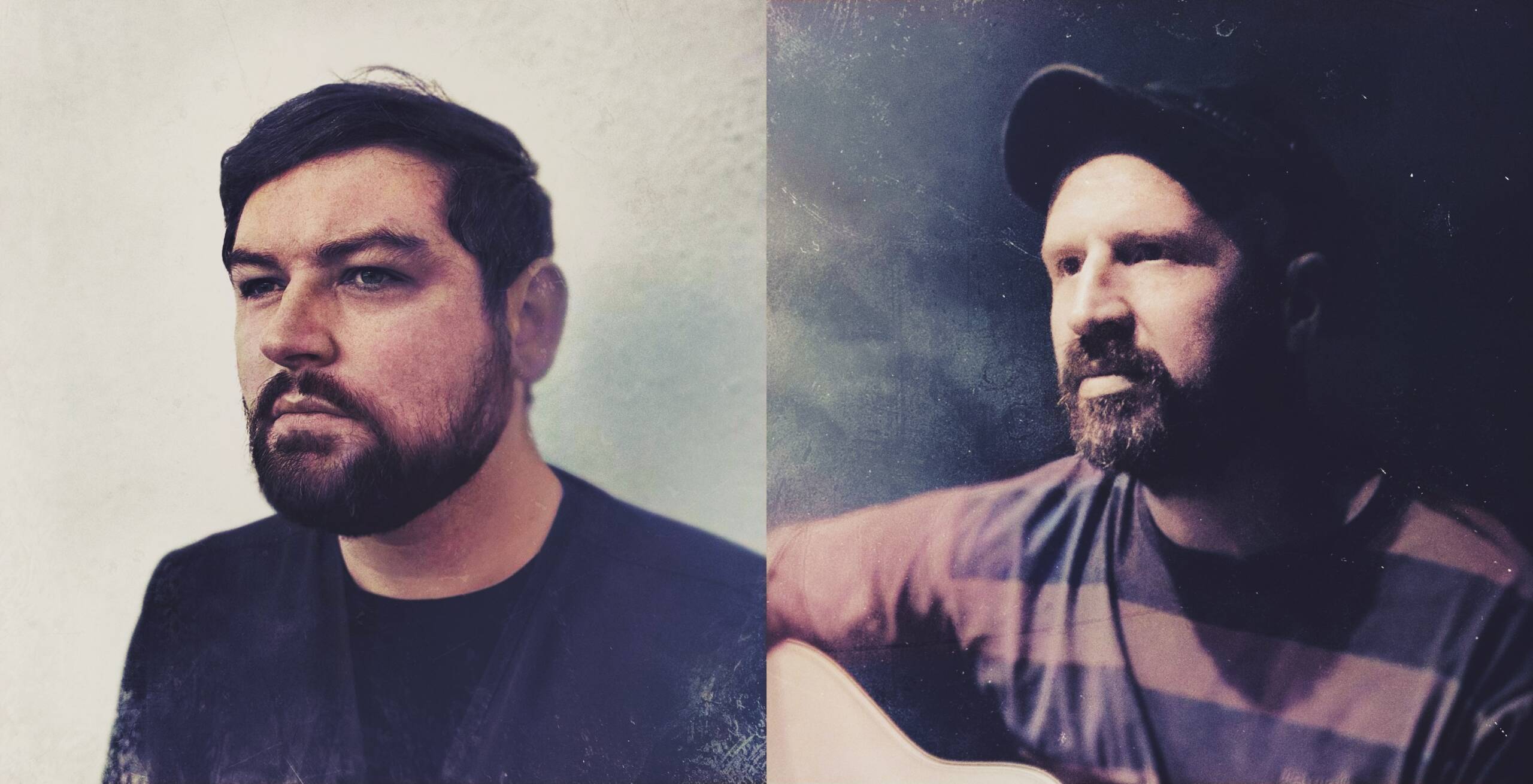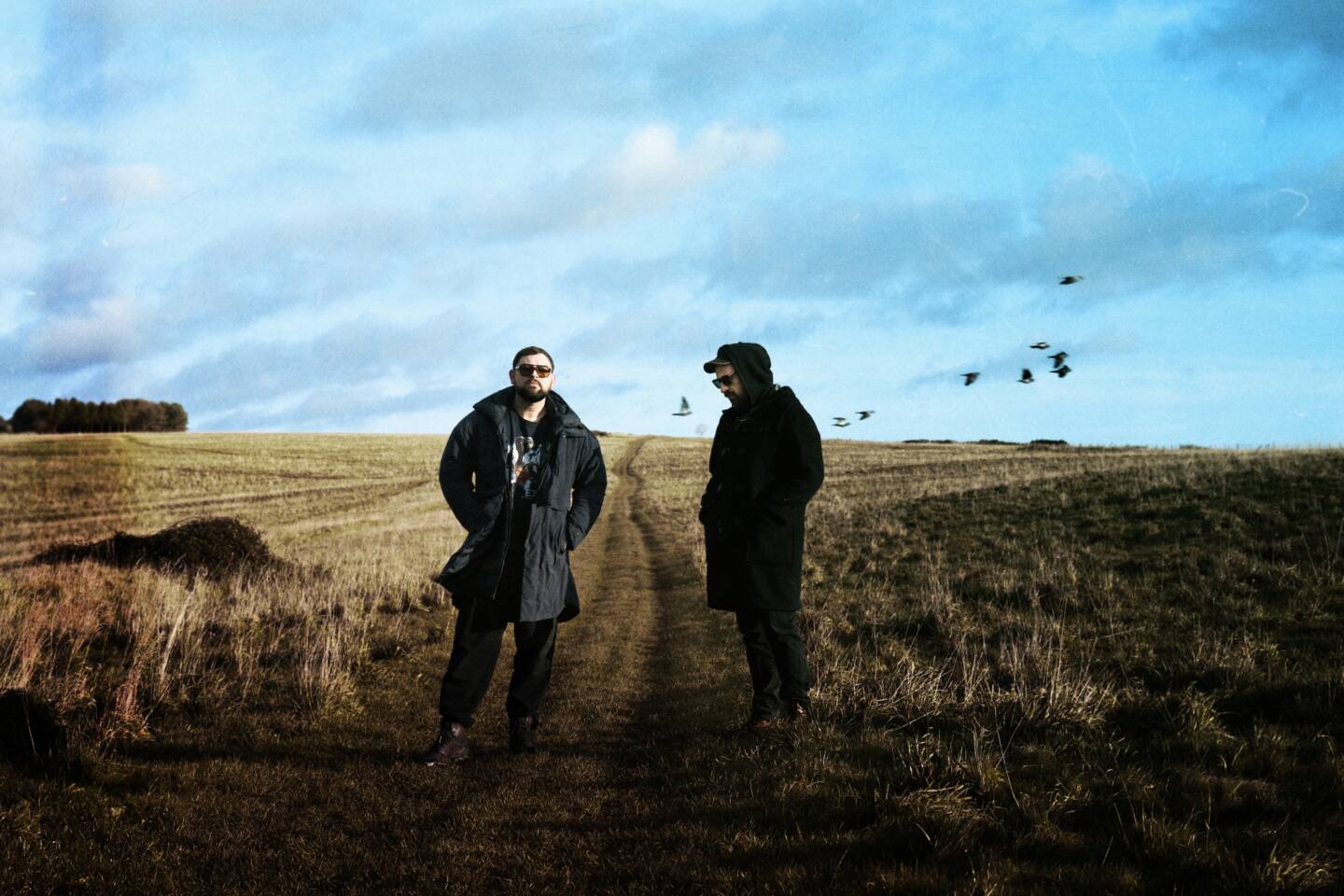
“It had to contain every element of emotion I was feeling,” says singer/lyricist James Graham of THE TWILIGHT SAD’s deeply resonant sixth album. On their first record in seven years, Scotland’s post-punk outfit return with a story to share: a cogent story of loss and personal crisis, rooted in specific experience yet mounted with a palpable emotional power that feels universal. Set to urgent and guitar-rich arrangements from bandmate Andy MacFarlane, IT’S THE LONG GOODBYE reflects on James’s mother’s illness, her subsequent death and his own mental health struggles, exploring profound human vulnerability with tenderness and tempestuous force.
The result is the most personal yet relatable album to date from a band whose portraits of bruised humanity have forged close ties with their audience. As James says, “In the past I’ve used a lot of metaphors within my lyrics. With this, there’s not as much. The record is heavily influenced by my mental health, grief and loss, and the need to be strong in positions where you’re not feeling it. It’s a very human story, I think – this is just my version of it. I feel that everybody goes through something like this. Everybody loses somebody. Everybody questions life.”
Back in 2016, James and Andy returned from the “pinch yourself” high of a tour with The Cure to find that James’s mother had been diagnosed with early onset frontotemporal dementia. Roughly 80 per cent of the record was written as James wrestled with the contrast between the joys in his life – marriage, parenthood – and the cruelty of his mother’s decline. In November 2023, another tour with The Cure was brought to a necessary halt as his mental health deteriorated. “And then my mum passed away in the January afterwards,” says James.
These struggles ring out with tangible feeling as MacFarlane’s siren-call guitars open ‘GET AWAY FROM IT ALL’, a pleading hymnal delivered with post-rock force. ‘DESIGNED TO LOSE’ sustains those dynamics in a beautifully meditative yet muscular reflection on the human condition, hinged on how we can seem doomed to lose in so many of our endeavours – including our capacity to cope with loss. That core question of how we accommodate loss in life develops on ‘ATTEMPT A CRASH LANDING – THEME’, which builds from stealthy introspection to a surging roar of feeling. And ‘WAITING FOR THE PHONE CALL’ delivers a heart-rending account of a message you never want to receive, played out over a layered backdrop of crashing chords, pulsing beats and plangent synths.
At all points, James’s lyrics and Andy’s guitars push and pull against one another intuitively, attuned to the album’s interplay of introspection and projection. ‘THE CEILING UNDERGROUND’ is deeply affecting, a submerged lament reaching outwards. ‘DEAD FLOWERS’ explores a kind of internalised mindset before mounting to a peak of frustration over martial rhythms, while ‘INHOSPITABLE/HOSPITAL’ documents an agonising loss of selfhood over thrusting rhythms and cathartic guitars. That quality is pronounced on the flanged, shoegaze-ish guitars of the propulsive ‘CHEST WOUND TO THE CHEST’, which add a tug of feeling to the urgency of James’s words and vocals. Finally, ‘BACK TO FOURTEEN’ and ‘TV PEOPLE STILL THROWING TVS AT PEOPLE’ find James veering between surrender and resistance to his feelings and the inevitability of loss. “Is it OK to feel this way?” he asks, avoiding easy resolutions to give a deep core of human questioning loud, heartfelt voice.
The record was developed over seven years, with the London-based MacFarlane stockpiling musical ideas during lockdown while exchanging words and sounds with Graham. The Cure’s Robert Smith, by now a longtime close friend of the band, provided invaluable input on the demos and guested on the record, supplying extra guitars on ‘WAITING FOR THE PHONE CALL’, guitars/“Tron keys” on ‘DEAD FLOWERS’ and six-string bass on ‘BACK TO FOURTEEN’. “Then we had to piece together a band,” says Andy, with THE TWILIGHT SAD now centred on him and James after former bandmates were drawn away by life commitments. Sometime Arab Strap player David Jeans and Mogwai live team-member Alex Mackay play drums and bass respectively, while the album was produced by MacFarlane at Willesden’s Battery Studios – a location rich in cherished Cure history, notably – with additional production from Andy Savours (My Bloody Valentine) and mixing by Chris Coady (Slowdive).
The recording, says Andy, was quick: “within just a two-week period, because we knew what we were after.” What emerged pays testimony to the duo’s tight-bonded sense of purpose. “I just trust him so much,” says James. “The process of physically making the record was a pretty joyous one, to be honest. We pushed ourselves. And seeing one of my friends at the top of his game – I really enjoyed watching Andy flourish.
The result is a pinnacle for THE TWILIGHT SAD in a career of tremendous integrity and artistry. Former school friends, they made a potent debut with the elemental and achingly real reflections of Fourteen Autumns & Fifteen Winters (2007). Forget the Night Ahead (2009) and No One Can Ever Know (2012) crystallised their capacity for mood and melancholy while flexing their boundaries, before Nobody Wants to Be Here and Nobody Wants to Leave (2014) tethered their hypnotic strengths to refined melodies. IT WON/T BE LIKE THIS ALL THE TIME (2019) developed and showcased this songwriting craft with passion and precision, while touring with The Cure brought their combined facility for noise and emotion to ever-growing audiences.
These qualities are at their most focused, forceful and purposeful on IT’S THE LONG GOODBYE, a record that honours THE TWILIGHT SAD’s ability to turn lived experience into fully felt music. “To know that I’m saying things that connect with other people, that’s such a powerful thing,” says James. “I want to be a relatable person that talks about things that can happen and give an opportunity for people to go, well, you’re not alone. I want people to be able to listen to this record and hear that it comes from a place of raw emotion. The album is an opportunity to share my experience and move forward with my life. It’s giving me something no one else could, and will continue to no matter what people think of it and what is seen to be a success in other people’s eyes. In my eyes it’s a success because it exists and is living proof of a very human experience.”
Publicity Contacts
Website
Press Kit
Photos